

Peptide Synthesis Technology Platforms
Long peptides (30 - 60 amino acids), complex peptides (lipopeptides, glycopeptides), cyclic peptides, non - natural amino acid peptides, peptide-nucleic acids,peptide-small molecules, peptide-proteins, peptide-radionuclides,etc.
Solid-Phase Peptide Synthesis(SPPS)
Liquid-Phase Peptide Synthesis (LPPS)
Liquid-Soild Phase Peptide Synthesis (L/SPPS)
Minimum Protecting Group Strategy for SPPS (MP-SPPS)
Simplify the process by reducing the use of orthogonal protecting groups during synthesis; reduce the cost of expensive reagents (such as Fmoc/tBu); inhibit side reactions (such as premature deprotection).
The company has filed over 60 trademark applications, including four trademarks in the European Union and three in the United States, and has obtained copyright registrations for four works.
Peptide Modification Platforms
By introducing tracer groups (such as fluorescent groups, biotin, radioisotopes) into peptides, functions such as tracking, detection, or targeting verification can be achieved.
PEGylation optimizes the pharmacokinetic properties of peptides (e.g., extending half-life and reducing immunogenicity).
Peptide Conjugation Services(P-Drug Conjugate)
Three-element architecture of the targeted therapy system:
Targeting Peptide: Specifically binds to receptors/antigens on the surface of diseased cells (such as cancer cells);
Linker: Bridges the peptide and the drug, regulating drug release (cleavable/non-cleavable design);
Drug Payload: Delivers cytotoxins or therapeutic components (such as chemotherapeutic drugs, radionuclides).
Peptide Formulation Technology Platforms
Drug Loading Systems: Utilizing advanced delivery technologies such as liposomes, polymeric micelles, and nanoparticles.
The innovative drug delivery system significantly prolongs in vivo drug release duration, enabling optimized dosing frequency regulation, thereby enhancing patient treatment adherence.
Adopt 2D-LC online desalting technology to achieve efficient identification of complex impurities. This technology can effectively solve the compatibility problem between buffer - containing mobile phases and mass spectrometry detection.
The integration of Design of Experiments (DoE), automated screening, and statistical modeling technologies significantly enhances analytical method development efficiency and result robustness.
Core Capabilities
1.Product Characterization Analysis
2.Analytical Method Development and Validation
3.Stability Study
4.Impurity Profiling Identification
JY FISTM Purification Technology Platform
1.Continuous Chromatography
Compared to batch chromatography, it offers advantages of lower solvent consumption, higher production efficiency, and superior scalability.
2.High-Performance Liquid Chromatography System1.
3.Fast separation speed with adaptability to diverse peptides
Maintains peptide structural integrity and bioactivity, easily reconstituted with water.
Significantly more efficient than lyophilization, with rapid scalability to industrial production levels.
Recrystallization is primarily employed in Liquid-Phase Peptide Synthesis (LPPS) strategies to obtain high-purity peptides and fragments while concurrently optimizing crystal structures, offering cost-effective benefits.
Core Capabilities
1.Product Characterization Analysis
2.Analytical Method Development and Validation
3.Stability Study
4.Impurity Profiling Identification
Lab and Pilot Equipments
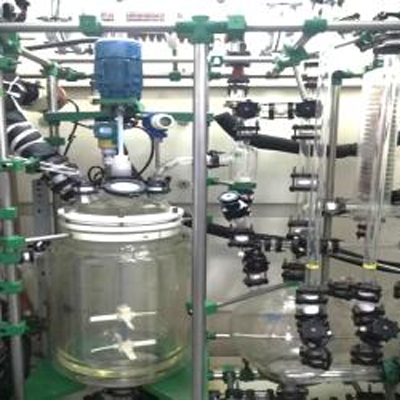
LAB
Fully Automated Peptide Synthesizer
20-50 L Reactors
YXPPSTM
Prep-HPLC(DAC50 – DAC150)
Freeze Dryers(0.18 m2 – 0.5m2)
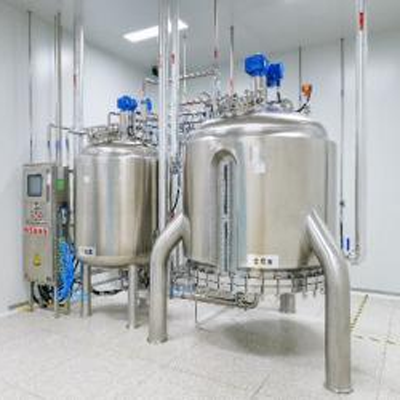
PILOT
3000L SPPS
500L-5000L LPPS
Prep-HPLC DAC150 - DAC 1200mm
Automatic Collection System
Freeze Dryers
Spray Drier


